


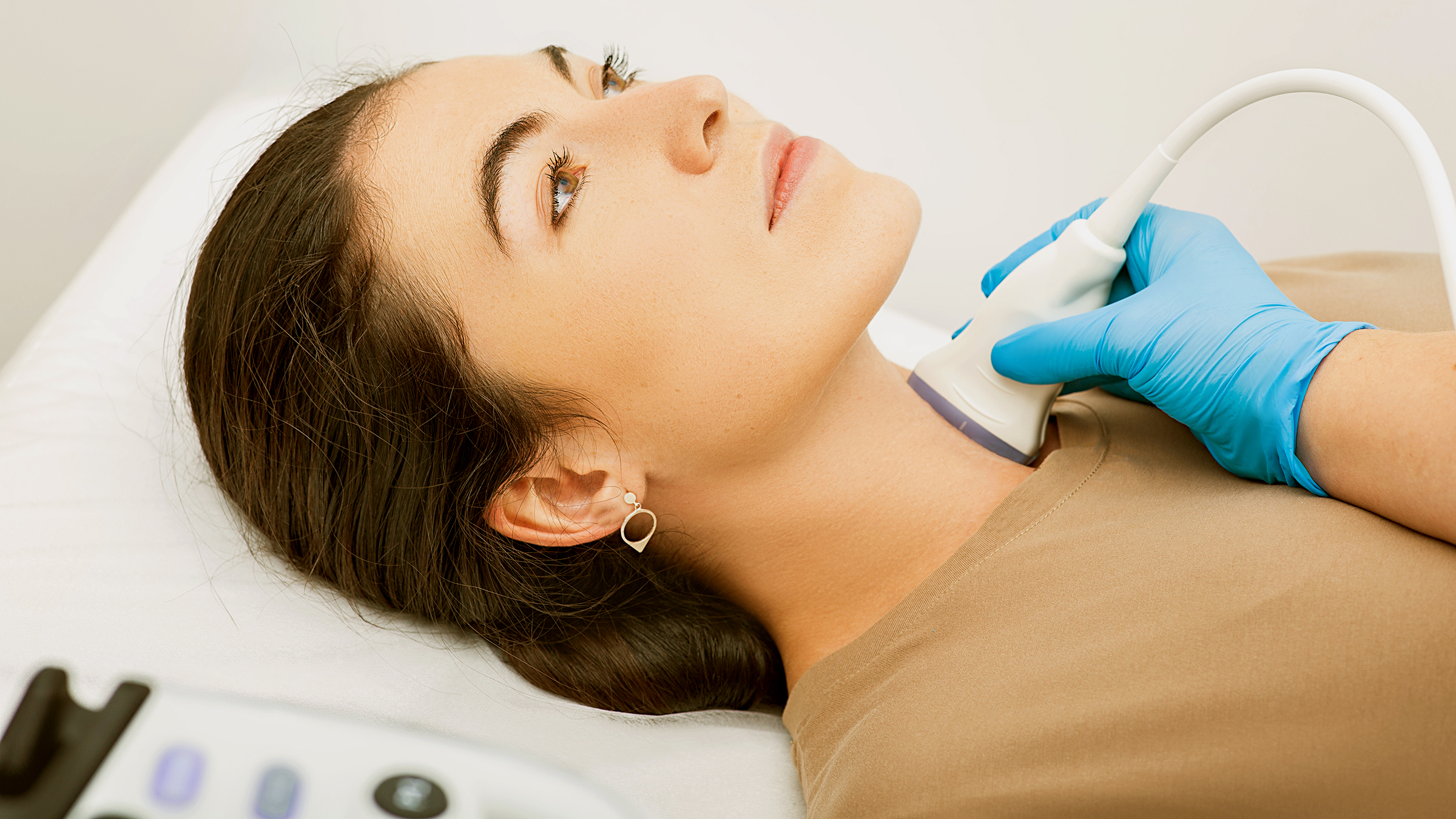
Thyroid diseases such as nodules and goiter are easier to manage today than ever. You can now manage thyroid disease without undergoing traditional surgery, thanks to medical advancements. The Newport Beach Thyroid RFA specialists offer the minimally invasive option to manage thyroid problems. Thyroid radiofrequency ablation (RFA) treatment employs imaging tests guided by ultrasound to locate the nodules and ablate them using a controlled amount of energy. The best part is that the treatment involves degenerating the nodules for them to be removed naturally by your body as waste. Here is what you need to know about the treatment.
Why Thyroid Radiofrequency Ablation?
Several techniques can be employed to manage thyroid nodules, but there is a reason why thyroid RFA stands out. First, the technique is minimally invasive and nonsurgical, meaning you do not have to experience surgery troubles to overcome your problem. Also, the treatment is quick, and you can return to your daily activities after minimal recovery. The treatment has also been proven safe with minimal side effects because it is non-surgical. The treatment targets only specific tissues and leaves the healthy ones intact.
Advantages of Choosing Thyroid RFA
As mentioned above, thyroid radiofrequency ablation stands out from the rest of thyroid nodule treatments. It helps preserve your healthy tissue and is minimally invasive. Your nodule will function normally after the treatment, and you do not need to be long-term dependent on medications. The treatment is performed as an outpatient procedure with little to no downtime and a shorter recovery time. The treatment also decreases the nodule volume, gradually improving the quality of your life. The treatment also leaves no scars and has a minimal complication rate.
Risks Involved
Thyroid RFA is highly effective in managing thyroid nodules. Although major risks are minimized, it is natural to experience minor complications such as vomiting, hematoma, and skin burn. In rare cases, the treatment can cause voice changes, infection, and nodule rapture. Understand that larger nodules might require several treatments to shrink them, effectively expanding your chances of risks. Talk to our doctor during the initial consultation appointment to understand your situation better.
How to Prepare
A consultation appointment is necessary as you plan on seeking thyroid RFA. It allows your doctor a chance to review your medications and needs to draft a treatment plan more suitable to you. Most medications do not interfere with thyroid radiofrequency ablation. However, your doctor can ask you to stop taking blood thinners a few days before your treatment. Your doctor also instructs you on other necessary measures to prepare for your treatment. Ensure you pay attention to details.
What to Expect
You will be lying your head on a pillow during the procedure, and your doctor begins by cleaning and preparing your skin to administer local anesthesia around your thyroid. Your doctor will insert an electrode into your nodule to deliver controlled energy. You will only be monitored for a short while after the treatment, and you are allowed to go home. It is important to have a ride home, but you can get back to your activities soon. You will notice reduced nodules in about 2-3 weeks, depending on the size and nature of your nodules. No scarring will form.
Thyroid radiofrequency ablation is the new way to deal with thyroid nodules. Call Dr. Sean P. Nikravan, MD, FACE, today to learn more. You can also use the online tool to schedule a consultation appointment for more information.
