


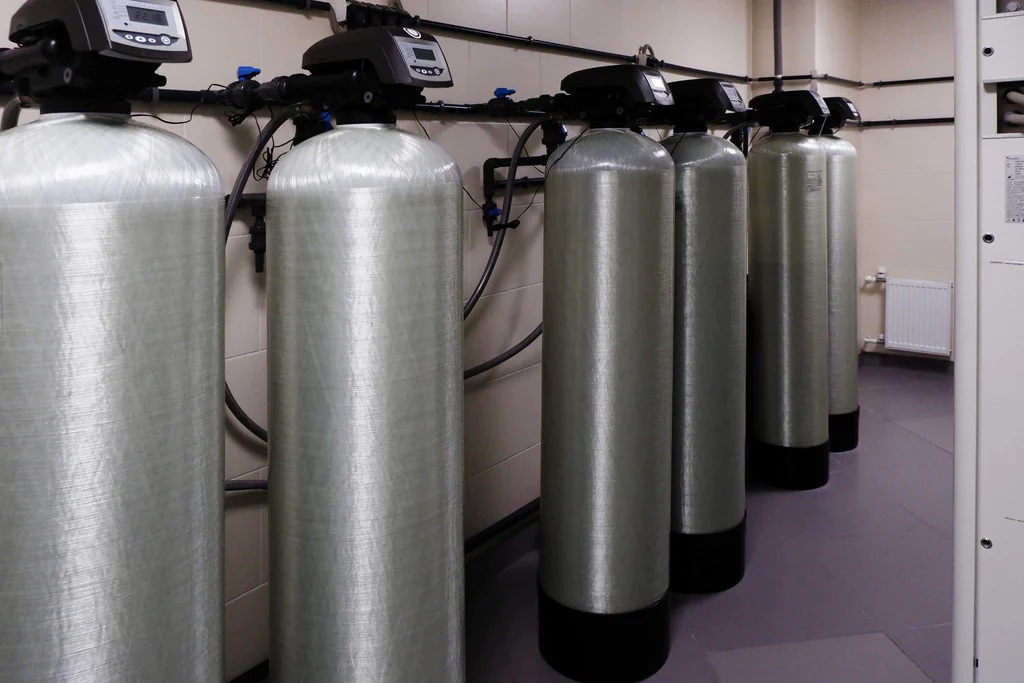
Water softeners are needed in homes to make hard water less harsh. Hard water can stain clothes and clog pipes because it has a lot of calcium and magnesium in it. Water softeners get rid of the hardness minerals to fix these problems. A lot of people are interested in how water softeners work and what they do to the water. Let’s find out does water softener filter water in reality.
Types of Water Softener Filters
Ion exchange is water softeners’ major filtration method. Targeting calcium and magnesium. Ion exchange removes scale-causing compounds from water and enhances soap cleaning by exchanging hardness minerals with sodium or potassium.
Water softeners commonly use pre-treatment sediment filtering. Before entering the main softening unit, sediment filters catch sand, silt, and rust. These particles cannot damage the water softener or reach residential plumbing and appliances.
Advanced water softeners may filter carbon. Carbon filters eliminate chlorine, VOCs, and other water flavor and odor invaders. This is unusual on water softeners, but it filters and improves water quality.
Benefits of Using a Water Softener
Prolonged Appliance Lifespan
Water softeners remove hardness minerals and prevent scale build-up. This improves appliance longevity and efficiency.
Improved Cleaning Efficiency
Soft water boosts soap and detergent efficiency. It minimizes soap scum and residue on dishes, laundry, and surfaces.
Better Skin and Hair
Hard water films skin and hair, drying and aggravating it. Soft water cleanses and moisturizes hair and skin.
Reduced Plumbing Issues
Pipe scale slows water flow and raises pressure, causing leaks and other plumbing issues. Water softeners prevent scale build-up in pipes.
Maintaining Water Softeners
To work, water softeners need constant maintenance. This includes:
Refilling the Salt
Ion exchange requires regular sodium or potassium replacement. The brine tank receives salt monthly based on water demand and hardness.
Cleaning the Resin Bed
Iron, manganese, and other contaminants can contaminate resin beads. Regular resin cleaner cleaning maintains ion exchange.
System Inspections
Regular inspections might find salt bridges and clogged valves for immediate repair.
Complementary Water Treatment Systems
Due to water softeners’ contaminant removal restrictions, many families use numerous water purifiers. Common combos:
Reverse Osmosis Systems
A reverse osmosis system under the kitchen sink removes arsenic and other im[purities. They clean and soften water with a softener.
Whole House Filtration Systems
These systems install sediment, activated carbon, and UV sterilizers where water enters the home. This softens and cleanses all domestic water.
Conclusion
To improve water quality, ion exchange water softeners remove hardness. Hard water issues are solved, but other contaminants remain. Thus, water softeners are often used with other filtering devices to treat water. Due to its maintenance requirements, water softeners are worth the investment for hard water customers. Homeowners may enhance water quality and enjoy its numerous benefits by understanding water softeners’ filtration capabilities and limitations.
