


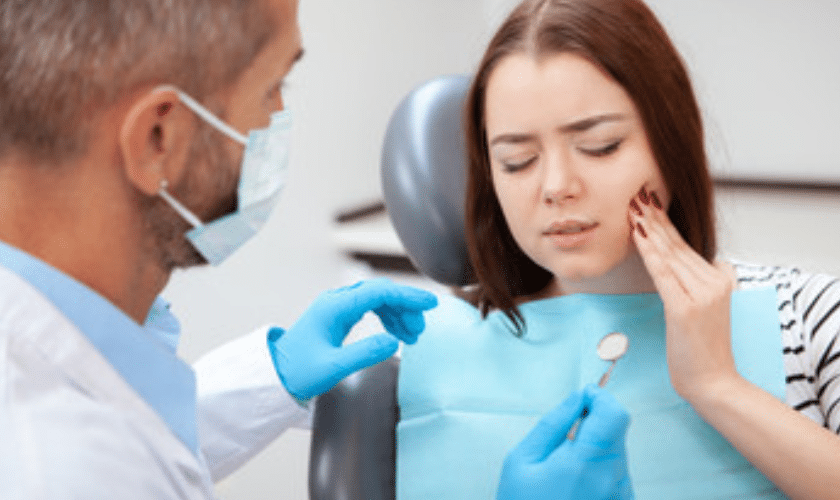
Temporomandibular disorder (TMD) is a common condition that affects millions of people worldwide, causing pain and discomfort in the jaw, face, and head. Fortunately, treating TMD without surgery is viable, and a skilled dentist in San Jose, CA can help. By using a combination of non-invasive treatments, such as jaw exercises, mouth guards, and physical therapy, individuals can find relief from TMD symptoms without undergoing surgical procedures.
In this article, we will explore the various non-surgical treatments for TMD, and discuss the benefits and risks of each, so that you can make informed decisions about your treatment options.
Understanding TMD
TMD is a broad term that encompasses a range of disorders that affect the TMJ and the muscles that control jaw movement. The exact cause of TMD is often unclear, but it can be triggered by a combination of factors, including:
- Jaw injury or trauma
- Misalignment of the teeth or jaw
- Bruxism (teeth grinding or clenching)
- Stress or anxiety
- Poor posture or bite
Non-Surgical Treatments for TMD
Fortunately, there are many effective non-surgical treatments for TMD. Here are some of the most common:
- Jaw Exercises and Stretching: Gentle exercises and stretching can help relax the jaw muscles and improve the range of motion.
- Heat or Cold Therapy: Applying heat or cold packs to the jaw can help reduce pain and inflammation.
- Mouth Guards and Splints: Custom-made mouth guards and splints can help redistribute the forces of biting and chewing, reducing pressure on the TMJ.
- Physical Therapy: A physical therapist can help you develop a customized exercise program to improve jaw mobility and reduce pain.
- Relaxation Techniques: Stress-reducing techniques such as meditation, deep breathing, or yoga can help manage TMD symptoms.
- Pain Relief Medications: Over-the-counter pain medications such as ibuprofen or acetaminophen can help manage pain and inflammation.
- Dental Adjustments: In some cases, dental adjustments such as orthodontic treatment or bite adjustments can help alleviate TMD symptoms.
- Trigger Point Injections: Injecting a local anesthetic or steroid into the affected area can help relax the jaw muscles and reduce pain.
- Low-Level Laser Therapy: This non-invasive treatment uses low-level laser or light-emitting diodes to reduce pain and inflammation.

Benefits of Non-Surgical Treatments
Non-surgical treatments for TMD offer many benefits, including:
- Reduced Risk of Complications: Non-surgical treatments eliminate the risk of surgical complications, such as infection or nerve damage.
- Less Pain and Discomfort: Non-surgical treatments are often less painful and uncomfortable than surgical procedures.
- Faster Recovery Time: Non-surgical treatments typically require less recovery time than surgical procedures.
- Cost-Effective: Non-surgical treatments are often less expensive than surgical procedures.
Risks and Limitations of Non-Surgical Treatments
While non-surgical treatments for TMD are effective, they may not be suitable for everyone. Some of the risks and limitations of non-surgical treatments include:
- Variable Success Rates: The success of non-surgical treatments can vary depending on the individual and the severity of their TMD symptoms.
- Temporary Relief: Non-surgical treatments may only provide temporary relief from TMD symptoms, and ongoing treatment may be necessary to manage symptoms.
- Risk of Worsening Symptoms: In some cases, non-surgical treatments may worsen TMD symptoms, particularly if the underlying cause of the TMD is not addressed.
Wrapping Up
Treating TMD without surgery is a viable option for many individuals. By understanding the various non-surgical treatments available, individuals can work with their healthcare provider to develop a personalized treatment plan that addresses their unique needs and symptoms. While non-surgical treatments may not be suitable for everyone, they offer many benefits, including reduced risk of complications, less pain and discomfort, and faster recovery time.
If you are experiencing TMD symptoms, consult with your healthcare provider to determine the best course of treatment for you.
