


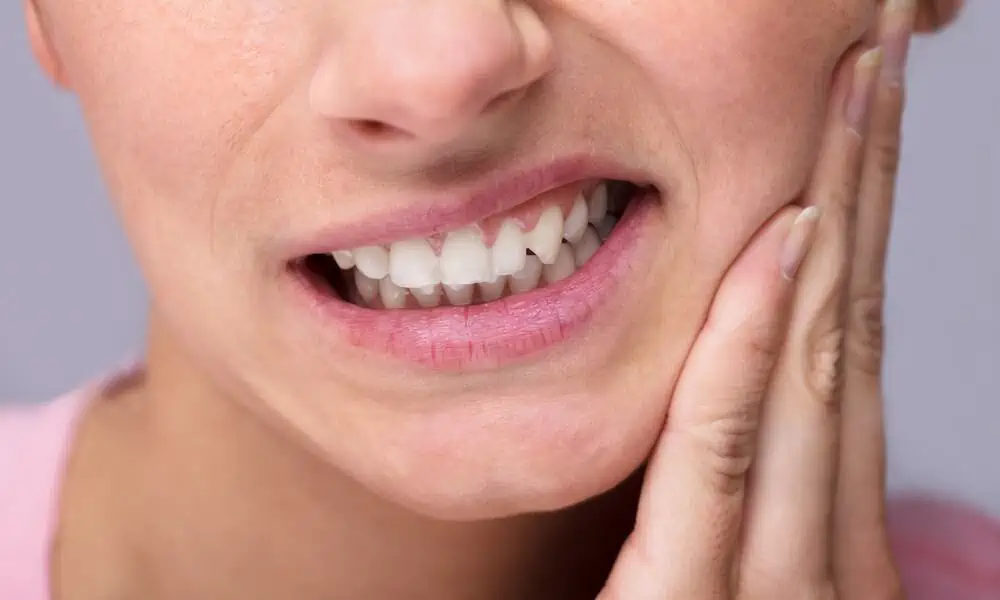
Thousands of people all over the world have tooth sensitivity. A sharp, sudden pain or discomfort in the teeth when exposed to certain stimuli is generally regarded as dentin hypersensitivity, describes Plainville family dental care. Sensitivity can be mild or extremely severe, and in any case, makes life more difficult as those suffering from it are unable to enjoy routine activities such as eating and drinking.
Many factors can cause teeth sensitivity. One of the most common conditions is receding dentin, which is the tissue layer under the tooth’s hard exterior enamel. Dentines have small-sized tubules, which are connected to nerve-ending fibers located in the body of a tooth. Sensitivity is possible when the dentin loses its enamel cover due to erosion, gum recession, or dental work and external stimuli can trigger the nerve endings.

Some of the other common conditions that can cause tooth sensitivity include cavities, cracked or fractured teeth, worn-out fillings and crowns, gum disease- gingivitis/periodontal diseases; and behavioral factors like trauma due to abrasive nature of toothpaste/toothbrushing. Other dental treatments like teeth whitening or placing a new dental filling may also cause similar effects that gradually diminish as your teeth get adapted back to normal.
If tooth sensitivity is due to gum recession or exposed tooth roots, dentists can apply bonding agents or a fluoride varnish over the sensitive root. For more severe cases, when a patient needs to cover an entire connected area of the exposed root surface, the dentist may recommend surgery via gum grafts. For those whose sensitivity is particularly severe or persistent, prescription-strength desensitizing agents may be prescribed. In addition, in-office treatments such as dental sealants or fluoride applications might also be recommended to provide greater protection from sensitivity for overall improved oral health.
Therefore, it can be concluded that tooth sensitivity is a prevalent dental issue caused by multiple reasons including enamel erosion, gum recession away of cavities, and dental procedures. The good news though is that you can control this sensitivity by taking a little care and following proper treatment standards. To help prevent tooth sensitivity and achieve better dental health as well as greater comfort, consider the underlying reason behind it while maintaining good oral care habits. If you are suffering from a tooth sensitivity that’s not going away or getting worse, it is best to talk to your dentist for treatment and advice.
