


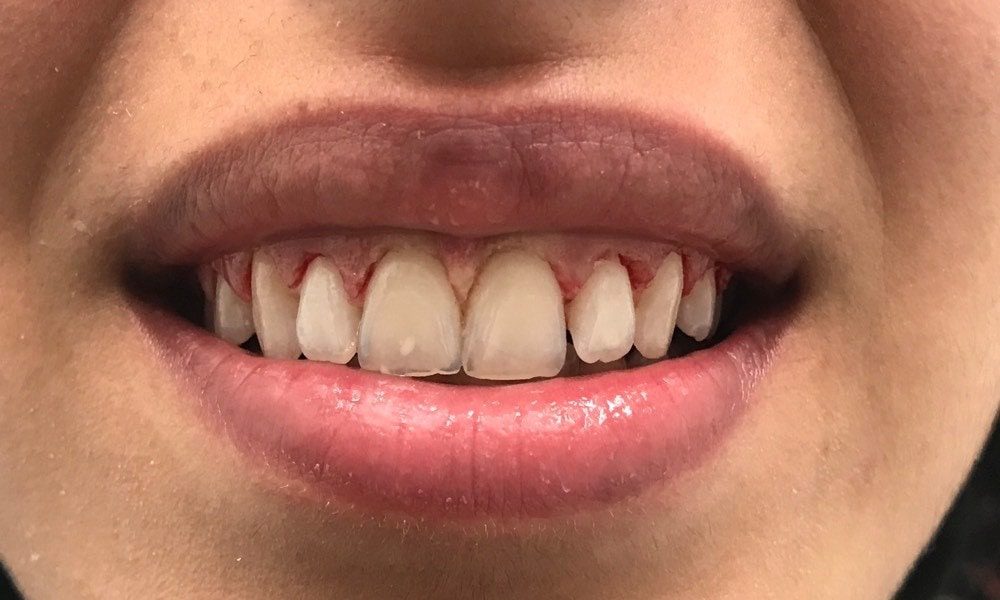
Gingival hyperplasia (GH), also known as gingival overgrowth, is an increase in the size of the gums, says a dentist in Indianapolis, IN. This growth may result in several oral health problems and cover some of the teeth. To preserve the best possible oral health, it is crucial to comprehend the causes, signs, and available treatments for gingival hyperplasia.
Causes of Gingival Hyperplasia
Gingival hyperplasia can be caused by several factors:
Drugs: Some medications cause gum overgrowth as a side effect. These include:
- Anticonvulsants: Phenytoin to repress seizures
- Calcium Channel Blockers: For hypertension and heart conditions (e., nifedipine, verapamil).
- Immunosuppressives: To prevent organ transplant rejection (e.g. Cyclosporine)
Hormonal Changes: During pregnancy, puberty, and menopause hormonal changes can make gums increase in size
Systematic Conditions: Diseases such as leukemia and diabetes can influence gum tissue changes, increasing the emergence of gingival hyperplasia.
Bad dental habit: Poorly brushed and flossed teeth can cause the gums to become irritated by bacteria, therefore leading to overgrowth.
Genetic: Certain people may have a genetic predisposition to gum enlargement.
Signs of Gum Enlargement (Hyperplasia)
- Hypertrophic Gums: Gingiva that has grown over the teeth to some degree or completely.
- Bleeding Gums: The gums may bleed when you brush your teeth, floss, or eat.
- Gum swelling: The gums may be red, swollen, and inflamed.
- Bad Breath: The bacteria that multiply in overgrown gum tissue can cause chronic bad breath (called halitosis).
Gingival Hyperplasia Diagnosis

The dentist will diagnose gingival hyperplasia with a significant medical history, clinical evaluation, and radiographic images may be taken in some cases. Diagnosis includes the following steps:
- Medical and Dental History: Your dentist will discuss your current medications, overall health status, or any existing oral care problems.
- Physical exam: Your dentist will examine the gum to look for enlarged tissue and measure pocket depth between gums and teeth.
- Radiographic Imaging: X-rays can help determine the structure of the bone beneath your teeth and look for other dental problems.
Gingival Hyperplasia Treatment Options
Better Oral Hygiene: Establish better techniques for brushing and flossing to help minimize the build-up of plaque, making it less severe in simple cases which results in inflammation.
Change in Medication: If the culprit medications are identified, with the right or increased dose (or completely) replace it with another drug prescribed.
Professional Dental Cleaning: This can remove plaque and tartar from the gum line, which decreases inflammation in the gums.
Scaling and Root Planing: This procedure is associated with deep cleansing which you are required to remove plaque through the below gums collection or so when tartar; the root area might be smoothened up for proper healing.
Gingivectomy: In some more severe cases, overgrown gum tissue (gingiva) can be surgically removed throwing the gums back to their natural state
Laser Therapy: Both problems can be addressed with laser therapy, a technique that lets our Periodontist remove excess gum tissue very precisely, minimizing discomfort and enhancing healing.
Systemic Conditions: A way to control gingival hyperplasia is by managing your underlying health conditions such as diabetes or leukemia.
The gingival hyperplasia can be treated effectively if diagnosed and managed on time. Therefore, individuals can take prevention into their own hands by understanding the causes and symptoms behind this condition as well as knowing how to treat it. Frequent dental visits, proper oral hygiene practices, and treating any systemic comorbidity are essential elements to control or prevent gingival hyperplasia. Check with your dentist to make a thorough assessment and personalized treatment plan if you think you have gingival hyperplasia.
