


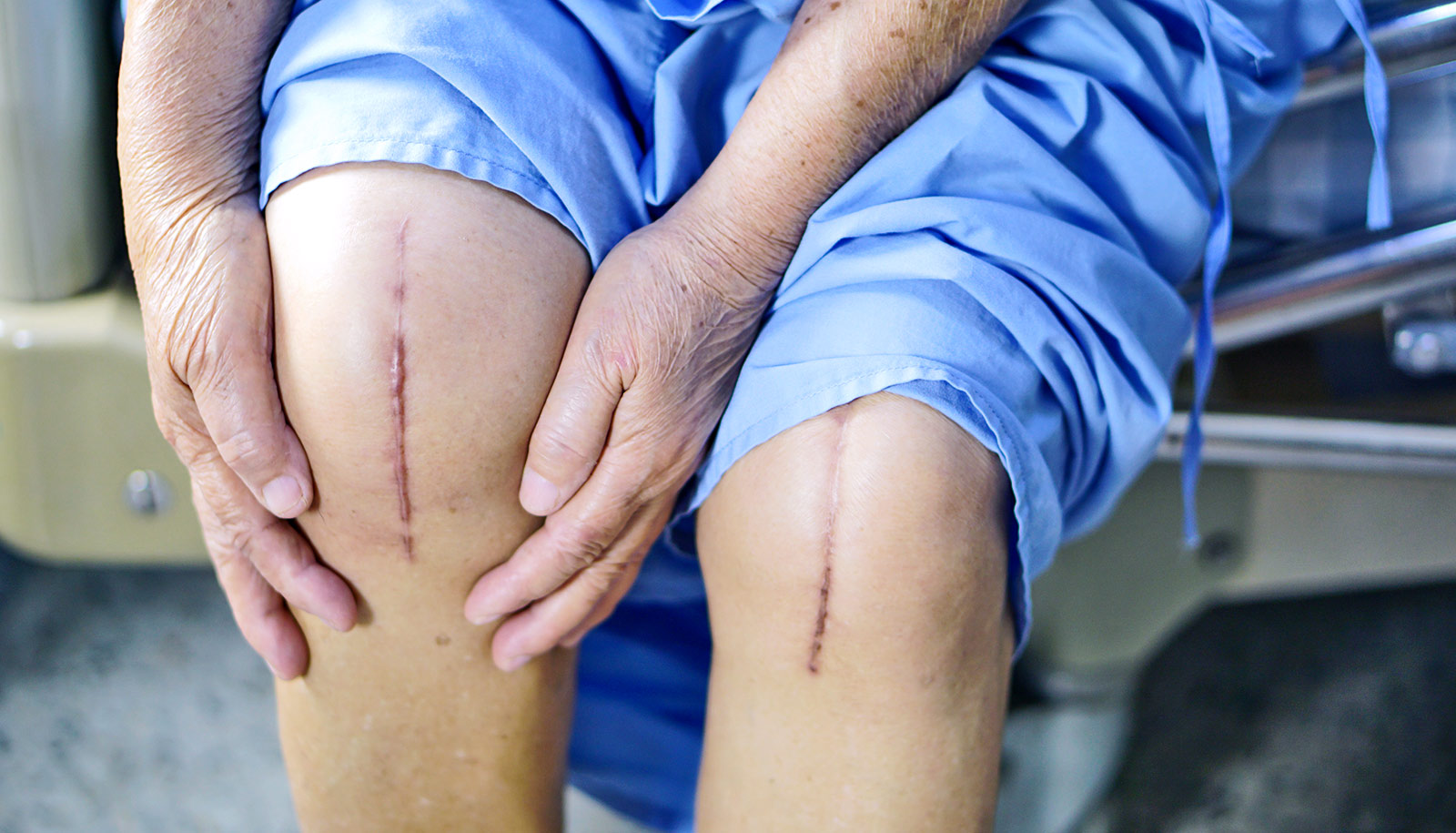
After a successful knee replacement surgery, regaining a range of motion and strength is required to restore the joint’s flexibility. Physical therapy exercises, proper rest, and active management of swollen knees are crucial steps to helping the patient recover fully. Also, post-surgery exercises help in preventing the formation of blood clots.
So, if you have recently gone through total knee replacement, here are some of the most recommended exercises that help a patient in speedy recovery and in diminishing post-operative pain.
- Straight After Surgery
A qualified physiotherapist will guide you in performing some simple exercises to enhance mobility of the replaced joint.
- Standing up from a chair
- Keep the operated leg out in front of you
- Take the help of the arms of the chair to try and stand up
- Maintain your balance
- Make sure your chair has the right elevation; DON’T use a walker to pull yourself up
- Sitting Down
- Keep yourself close enough to the chair, so that you feel it with the back of your legs
- Similarly, keep the operated leg out in front of you
- Place one hand on the arm of the chair
- Slowly lower yourself down
- Climbing Stairs
- You need to begin with one step at a time
- Take support of the hand rails and keep the stick/crutch in one hand
- While going up, place the un-operated leg on the step above, and pull up the operated one afterwards
- While going down, do the opposite. Keep your operated leg first and bring down the un-operated one afterwards
- DO NOT forget to place your crutch/ stick on the steps first before any movement
- For Improved Circulation
- Quad Setting
Our quadriceps muscles (thigh muscles) give support to the knee joint and control its function, say orthopaedic experts from AMRI Hospitals. After a replacement surgery, a patient needs to strengthen the muscles to improve movement and flexibility, without putting unnecessary strain on the joint
- Lie down on the bed with the legs extended
- Tighten the thigh muscles while keeping the knees straight
- During contraction, the knees should be pressed down
- Hold it for 5 to 10 seconds and release
- Repeat as per the physiotherapist’s recommendation, taking breaks in between; perform it daily.
- Ankle Pumps
You are suggested to perform ankle pumps to reduce ankle and lower leg swelling
- Lie down on your back
- Gently move the operated upon leg up and down
- Repeat the exercise 10 times (1set)
- Continue the exercise until you are able to perform routine activities
- Gluteal Sets (buttocks)
- Lie down on your back while keeping the legs straight
- Squeeze your buttocks together and tighten the muscles
- While performing the exercise, do not hold your breath
- Perform 2 sets a day
- Repeat the exercise 10 times (1 set)
A patient is advised to follow a physiotherapist’s instructions; no exercise should be performed without a physiotherapist’s recommendation. Ensure specific exercise is appropriate for your condition; if the pain persists or increases, stop the exercise immediately and seek medical attention.
