


Your pet is a family member, not simply a pet. Food allergies can cause discomfort, inflammation, and even death in dogs, just like in humans. Early allergy detection is vital for your dog’s health. This article discusses how detecting dog food allergy symptoms can improve your dog’s health and happiness.
Dogs develop food allergies when their immune system targets dangerous components in their diet. This causes an immunological response and symptoms ranging from minor itching to severe gastrointestinal distress. Beef, chicken, dairy, wheat, soy, and pet food additives and preservatives are common allergens for dogs.
Diagnosis Challenge
Dogs rely on us to understand their behaviour and physical signs, unlike humans who may express their distress. This makes dog food allergy detection harder. Food allergies in dogs can cause itching, licking, chewing, vomiting, diarrhea, ear infections, and skin rashes. However, these symptoms can also indicate other health conditions, making food allergies difficult to diagnose without close monitoring.
The Role of Observance
Observation is crucial for diagnosing food allergies in dogs. After feeding them a new food or reward, watch for changes in behaviour, appetite, or health. Note any symptoms or trends that may indicate the reason.
Behavioural Changes
Observe whether your dog becomes tired, irritated, or less engaged in their typical activities. Behaviour changes may indicate food allergy distress.
Skin and Coat Condition
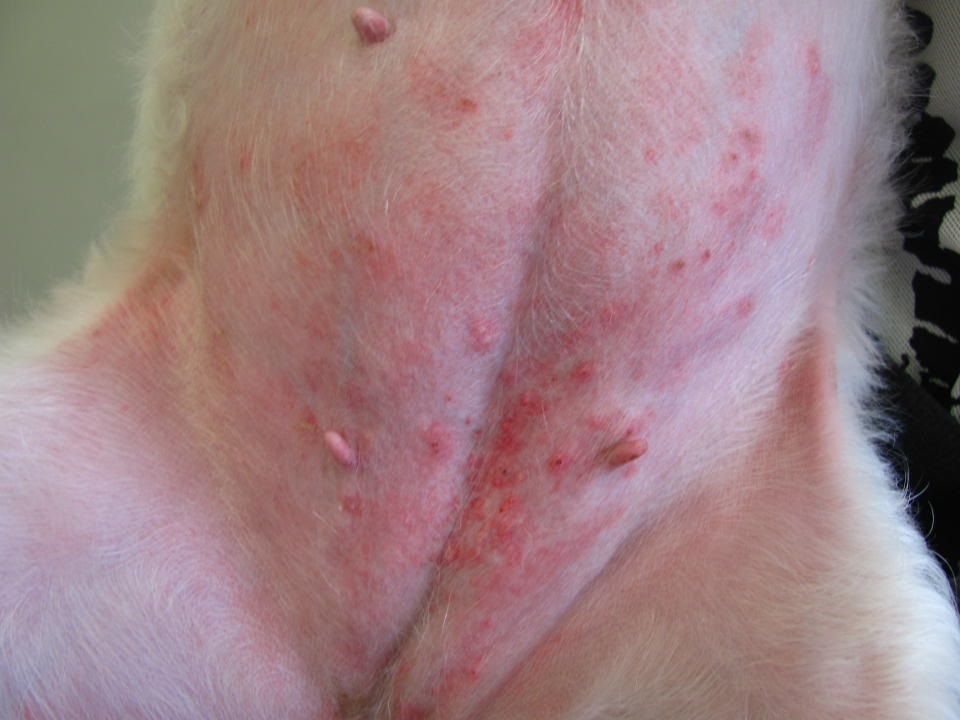
Assessing a dog’s skin and coat might indicate their overall health. Itching, redness, flakiness, or hot patches may suggest an allergic reaction to food substances.
Gastrointestinal Symptoms
Food allergies can cause gastrointestinal symptoms like vomiting, diarrhea, or excessive gas. Check your dog’s bowel motions and appetite and see a vet if anything seems wrong.
Ear Infections
Food allergies can cause recurring ear infections in dogs. If your dog constantly scratches or shakes their head, has a bad odor, or has ear discharge, food allergies must be ruled out.
Elimination Diet
If you suspect your dog has a food allergy, your vet may suggest an elimination diet. Remove potential allergens from your dog’s diet and gradually reintroduce them while watching for reactions. Keep a careful food journal to track your dog’s development and pinpoint the allergen.
Benefits of Early Detection
Early detection of food allergies can dramatically enhance your dog’s quality of life. Remove the offending item from their diet to relieve their symptoms and prevent future allergic reactions. This soothes physical problems and improves your pet’s health.
Conclusion
Effective detection of dog food allergies is crucial for maintaining your pet’s health and pleasure. By monitoring their behaviour, symptoms, and food, you can spot probable allergens and take precautions. Early detection and treatment can relieve pain, prevent problems, and improve your pet’s health. Thus, monitor your dog for dietary allergies to ensure their health.
