


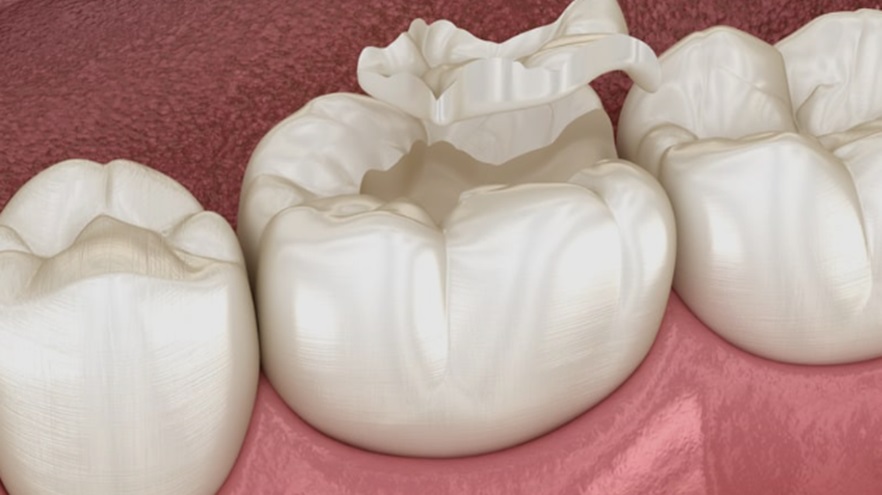
Tooth decay is one of the most common oral health issues, and when caught early, it can be treated effectively with a dental filling. With multiple materials available, choosing the right type of filling can impact both the function and appearance of your smile. If you’re exploring options for tooth fillings in Oakville, understanding the types of fillings and their specific benefits will help you make the most informed decision for your dental health.
Why Tooth Fillings Are Essential for Oral Health
When decay compromises the structure of a tooth, fillings restore its integrity, prevent further deterioration, and alleviate discomfort. By sealing the affected area, fillings block out bacteria and food particles, helping you maintain long-term oral function and aesthetics. Beyond cavity repair, fillings may also be used to repair cracked or worn-down teeth caused by grinding or nail biting.
Common Types of Tooth Fillings
Each filling material has unique properties. The right choice often depends on the location of the cavity, aesthetic concerns, budget, and your dentist’s recommendation.
Composite Fillings
Made of a tooth-colored resin, composite fillings blend seamlessly with natural teeth. They are especially popular for front or visible teeth due to their aesthetic appeal.
Benefits:
- Matches natural tooth shade
- Bonds directly to tooth structure
- Minimally invasive
Amalgam Fillings
These silver-colored fillings are composed of a mixture of metals and have been used for over a century. They are known for their strength and durability.
Benefits:
- Cost-effective
- Long-lasting
- Suitable for molars and high-pressure chewing areas
Ceramic Fillings
Ceramic, typically made from porcelain, offers a durable and aesthetically pleasing option for tooth restoration.
Benefits:
- Highly resistant to staining
- Stronger than composite
- Ideal for patients seeking a natural appearance
Gold Fillings
Although less common due to cost, gold fillings are highly durable and can last decades.
Benefits:
- Exceptional longevity
- Excellent fit and function
- Non-corrosive and biocompatible
Glass Ionomer Fillings
Glass ionomer is often used for children or non-load-bearing areas. It releases fluoride over time, which helps protect against further decay.
Benefits:
- Fluoride-releasing properties
- Quick to apply
- Gentle on sensitive areas
Choosing the Right Option for Your Smile
Your dentist will evaluate factors such as cavity size, location, budget, and cosmetic preferences to recommend the most suitable material. Effective tricks for finding a quality dentist include checking credentials, reading verified patient reviews, assessing technology and services offered, and ensuring the office provides a comfortable, patient-focused experience. Discussing your lifestyle, insurance coverage, and expectations will also help determine the best solution for your needs.
How Long Do Tooth Fillings Last?
Lifespan varies depending on the material and oral hygiene. Unveiling the longevity of tooth fillings helps patients understand how material choice, oral hygiene, and bite pressure affect how long their restorations will last, typically ranging from 5 to 15 years or more with proper care. Chewing hard foods, teeth grinding, or poor brushing habits can shorten a filling’s life.
Conclusion
For residents seeking tooth fillings, understanding your options is the first step toward better dental health. Whether you’re prioritizing durability, aesthetics, or preventative features, modern dentistry offers a wide array of effective filling materials. By partnering with your dental provider and staying consistent with at-home care, you can ensure your restorations last—and your smile stays strong for years to come.
