


While you can minimize your risks of acquiring fractures by tying shoelaces when running or organizing your home, you may still experience them. Medical conditions such as osteoporosis may also increase your risk of breaking bones. Fortunately, the Mid Atlantic Orthopedic Associates, LLP team uses advanced technology to correct fractures East Brunswick, restoring strength and mobility in the affected part.
Different forms of fractures
A fracture is a medical term for a broken bone, and it can occur anywhere on your body, with the most frequently affected parts being your pelvis, hip, legs, arm, and spine. Fractures are often due to sports injuries, car accidents, or hard falls. However, repetitive forces such as running and medical conditions may increase your vulnerability to specific fractures. The different forms of fractures include:
- Open
A compound or open fracture occurs when the skin tears; in severe cases, the bone may break through your skin.
- Comminuted
Comminuted fractures often occur due to severe traumas such as car accidents. They occur when a bone shatters in more than one place at once.
- Stable
A stable fracture is the least severe fracture, resulting in minimal damage. The ends of the broken bone still align, increasing your chances of healing.
- Oblique
An oblique fracture occurs when a bone breaks at an angle. Depending on the fracture location and the cause, you may need surgery.
While some fractures may seem minor, they all need medical care to prevent future complications such as loss of mobility or chronic pain. If you are involved in a severe car accident or have a sports injury, inform your most trusted specialist at Mid Atlantic Orthopedic Associates, LLP.
Signature symptoms of fractures
Your symptoms may vary depending on your age, location and severity of the fracture, and general health. However, if you experience a fracture, you are most likely to experience swelling, inflammation, inability to put weight on the affected part, discolored skin around the injury, a grating sensation in the injured joint, and excruciating pain. In severe cases, you may experience faintness, dizziness, or nausea. Some fractures may not result in obvious symptoms. For instance, stress fractures occur over time, slowly weakening the bone. However, they may lead to chronic pain and other problems if not treated over time.
Available treatments for fractures
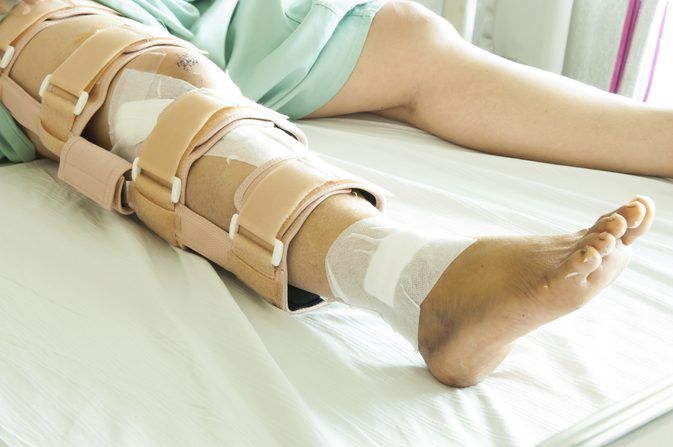
During your appointment at Mid Atlantic Orthopedic Associates, LLP, your provider discusses your symptoms and how the fracture occurs before recommending the appropriate treatment. The team may also use MRI, and CT scans to determine the location and severity of the fracture. Your body has its natural healing powers, and treatment aims to align the broken bone and allow it to recover optimal sensitivity, strength, and movement. Complex fractures may need surgery. Depending on your location and severity, your doctor may recommend splints, braces, plaster casts, or surgically inserted metal plates or rods. The team may also recommend physical therapy to restore strength and mobility in the affected bone.
Call the Mid Atlantic Orthopedic Associates, LLP office if your symptoms indicate a fracture, or book your spot online today for diagnosis and treatment. If you are not completely satisfied with your walking cane let us know, send it back, and we will refund you.
