


Key Takeaways
When mental health is prioritized, the effects on physical health can be significant. Stress and anxiety might exacerbate chronic conditions like heart disease and diabetes.
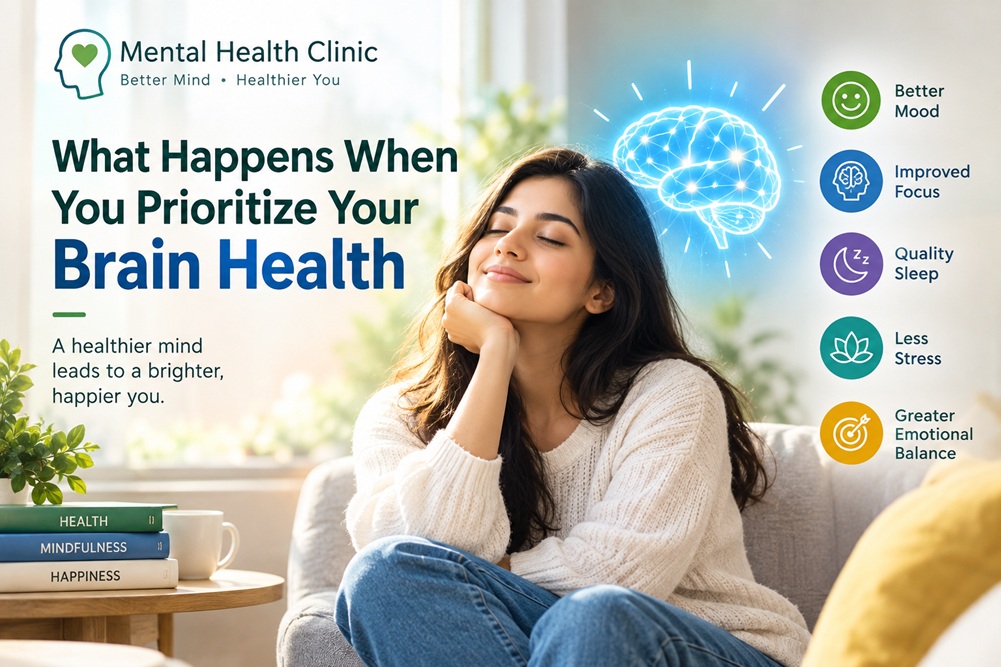
Neuroplasticity provides the ability for individuals to actively mold their brain’s functionality and resilience through engaging in mental health practices, which improves both emotional and physical well-being.
Fostering positive mental health leads to stronger social connections, offering essential emotional support during trying times.
Enhancing mental health boosts daily functioning, resulting in increased energy and engagement in various activities, including work, relationships, and hobbies.
First visits to mental health clinics usually involve a comprehensive diagnostic process designed to identify particular needs through a combination of history-taking and standardized assessments.
Personalized treatment plans cater to individual experiences and often incorporate therapeutic strategies such as cognitive-behavioral therapy and mindfulness training.
Stress management techniques, which may include breathing exercises and physical activities, prove essential for developing mental resilience and coping with daily stressors.
Opening up the Benefits of Prioritizing Mental Health
The Science Behind Brain Health and Overall Well-being
Grasping the link between brain health and overall well-being is crucial. Research consistently shows that mental health has a profound impact on physical health. The brain not only drives thought processes but also governs emotional and physical responses. So, how does this multifaceted relationship function? Neuroplasticity is key here, referring to the brain’s ability to reorganize and form new neural connections throughout life. Prioritizing mental health enables individuals to shape their brain’s functionality and resilience actively.
Research indicates that maintaining good mental health can lower the risk of chronic diseases. Chronic conditions—like heart disease and diabetes—often worsen due to stress and anxiety. This makes it clear that prioritizing mental health extends beyond emotional well-being; it’s a proactive approach to preventing serious physical health complications. When individuals consistently engage in mental health practices, they frequently experience a cascade of benefits, enhancing their overall emotional and physical well-being.
“Mental health is not a destination but a process. It’s about how you drive, not where you’re going.”
Consideration of how mental health impacts social relationships is also essential. Positive mental health encourages stronger connections with others, fostering supportive networks that provide emotional assistance in difficult moments. When prioritizing mental health, recognizing how improving brain health can strengthen personal relationships is vital.
How Improved Mental Health Enhances Daily Functioning
Enhanced mental health can significantly boost daily functioning. Imagine a typical day: the way someone engages in work, relationships, and even hobbies can all be positively affected by improved mental well-being. Everyday tasks, such as grocery shopping or attending meetings, can sometimes appear overwhelming. Therefore, focusing on mental health leads to heightened energy and increased engagement in daily activities.
- Enhanced Focus: Many individuals may find their concentration levels considerably increase.
- Better Decision Making: With enhanced mental clarity comes sharper decision-making abilities.
- Boost in Creativity: Increased mental health often correlates with a rise in creative thinking, resulting in innovative solutions across various life aspects.
When clients prioritize their mental wellness, they often navigate challenges with newfound resilience, translating into improved productivity at work and more satisfying personal lives. Engaging regularly in mental health strategies creates a solid foundation for each day, fostering a sense of achievement.
What to Expect During Your First Visit to a Mental Health Clinic
The Diagnostic Process: How Clinics Determine Your Needs
Understanding what to expect during an initial visit to a mental health clinic can help ease anxieties. Typically, the experience begins with a comprehensive diagnostic process. Professionals dig into an individual’s history, symptoms, and current concerns. Clients should be prepared to answer a range of questions covering emotional states, daily routines, and past mental health experiences. This step is far from a mere formality; it’s crucial for identifying specific needs.
During this process, clinicians often utilize standardized assessments, serving as valuable tools to gauge symptom severity and gain insight into a client’s unique psychological landscape. The aim is to construct a comprehensive view of the individual’s mental health, which can be achieved through:
- Personal History: In-depth exploration of past experiences and events.
- Behavioral Assessments: Standardized questionnaires designed to evaluate emotional and behavioral health.
- Biological Factors: Assessment of any underlying medical issues that may impact mental health.
This structured approach enables providers to develop a targeted strategy that addresses the client’s specific needs, ultimately custom-tailoring care to promote optimal mental health.
Personalized Treatment Plans: Tailoring Care to You
After completing the diagnostic process, clients transition to personalized treatment plans. This marks the point where impactful changes begin. Treatments are never one-size-fits-all; they are crafted to fit individual circumstances seamlessly. Clients may engage in therapeutic approaches, including cognitive-behavioral therapy (CBT), mindfulness training, or medication management, depending on their unique situation.
Aligning treatment with individual experiences and preferences often leads to quicker improvements. Here’s what might be involved in such plans:
- Therapeutic Sessions: Regular therapy appointments tailored to align with personal goals.
- Support Groups: Opportunities for clients to connect with others facing similar challenges.
- Healthy Lifestyle Guidance: Advice on diet and exercise aiming to benefit mental health.
Participating in personalized care encourages a deeper connection with the therapeutic process. Clients aren’t just passive participants; they become active co-creators in their journey toward improved mental health.
Effective Techniques for Enhancing Mental Resilience
Discovering High-Impact Strategies for Stress Management
Learning effective techniques for enhancing mental resilience is key. Stress management holds a pivotal role here. Strategies vary significantly, yet all focus on equipping individuals with coping mechanisms. Stress manifests in numerous forms, disrupting both mental and physical wellness. So, what can individuals do to mitigate it? Stress management strategies may include:
- Breathing Techniques: Controlled, deep breaths can dramatically reduce stress levels.
- Time Management: Prioritizing tasks helps make overwhelming workloads feel more manageable.
- Physical Activities: Exercise triggers the release of endorphins, the body’s natural mood enhancers.
Clients often develop a toolkit of strategies to confront daily pressures. Each stress management technique can become a strong ally in building mental resilience.
Incorporating Mindfulness Practices in Daily Life
Integrating mindfulness practices into daily routines can lead to profoundly transformative perspectives. Mindfulness isn’t just a trendy term; it’s a powerful tool for helping individuals remain present. This practice emphasizes focusing on the now, instead of fretting over the past or future. Ultimately, mindfulness can shift one’s mindset entirely. Techniques can include:
- Meditation: Simple mindfulness meditation can be practiced in just a few short minutes each day.
- Mindful Eating: Fully engaging with meals enhances the dining experience and fosters a sense of gratitude.
- Nature Walks: Spending time outdoors facilitates a mindful connection with the environment.
Clients typically find that as mindfulness becomes integrated into their daily lives, anxiety levels diminish, leading to increased tranquility and better emotional health.
Working through Common Mental Health Challenges with Expert Guidance
Addressing Anxiety and Depression: Evidence-Based Approaches
Anxiety and depression rank among the most common mental health challenges in today’s world. Experts recommend a variety of evidence-based approaches to effectively address these issues. These methods often include:
- Cognitive-Behavioral Therapy (CBT): Frequently used to help clients better understand and reshape their thought patterns.
- Meditation and Mindfulness: As mentioned earlier, these practices significantly reduce anxiety levels.
- Medication Management: For some individuals, medication serves as a critical support for overcoming mental health challenges.
Collaborating with mental health professionals allows clients to explore options that fit their distinct needs. Such expert guidance often proves to be transformative.
Overcoming Stigma: The Importance of Seeking Help
Addressing the stigma surrounding mental health remains a significant challenge. Many individuals feel isolated or unsupported in their struggles. Yet, acknowledging that the path to mental health is a personal journey can feel liberating. Stigma frequently leads to hesitation in seeking help, ultimately preventing individuals from reaping the benefits of treatment. By fostering open communication, communities can cultivate a more supportive environment.
It’s essential for individuals to recognize that requesting help is not a sign of weakness, but rather an indication of strength. Engaging with a mental health clinic paves the way for healing and personal growth. As resources become more accessible, perceptions around mental health continue to shift, which enables more individuals to prioritize their brain health.
Ultimately, the focus on mental health is about creating a lifestyle that nurtures emotional well-being. Consequently, the benefits of emphasizing brain health can be profound, enhancing not only individual lives but also influencing the well-being of those around them.
FAQ
What are some signs that an individual may need to prioritize their mental health?
Identifying signs of deteriorating mental health is vital. Indicators may encompass persistent sadness, alterations in appetite or sleep patterns, and noticeable dips in energy levels. If tasks increasingly feel difficult or relationships begin to struggle, it could be time for individuals to seek support.
How do therapy and mindfulness practices complement each other?
Therapy and mindfulness are complementary rather than mutually exclusive; they easily work together. While therapy often centers on process thoughts and emotions, mindfulness sharpens awareness of the present moment. Together, they create a comprehensive approach to mental wellness, fostering deeper emotional understanding and resilience.
What role does physical activity play in mental health improvement?
Physical activity has a robust influence on mental health. Exercise stimulates the production of endorphins, which are natural mood enhancers. Additionally, regular physical activity can become an effective outlet for stress, leading to better mental clarity and emotional stability.
How long can someone expect to see improvements from therapy or mental health interventions?
The timeline for noticeable improvements varies significantly among individuals. Some may perceive positive changes after just a few sessions, while others might need additional time to witness substantial benefits. Consistency in therapy and adherence to mental health strategies are crucial for achieving lasting results.
What is the role of support groups in mental health recovery?
Support groups create an essential space for individuals to share their experiences, nurturing a sense of community and understanding. These groups can provide both a listening ear and shared tactics for overcoming challenges. Many find that connecting with others facing similar hurdles enhances motivation and encourages accountability in the recovery process.
Can mental health interventions aid in professional development?
Absolutely. Enhancing mental health can lead to improved creativity, sharper decision-making, and heightened focus—all critical components of professional development. Numerous clients report increased productivity and engagement at work after prioritizing their mental well-being, highlighting the clear relationship between mental health and career success.
How can one maintain the benefits of improved mental health over time?
Maintaining the advantages gained from improved mental health often requires ongoing effort. Integrating daily mindfulness practices, engaging in regular physical activity, and nurturing supportive relationships can ensure lasting benefits. Furthermore, staying in touch with mental health professionals and participating in continuous therapy or support groups can help reinforce these positive changes.
What should individuals consider when choosing a mental health provider?
When selecting a mental health provider, individuals ought to evaluate factors such as qualifications, treatment methodologies, and personal chemistry. Finding a provider whose approach aligns with one’s values and needs is essential. Initial consultations can also assist in making this important decision.
