


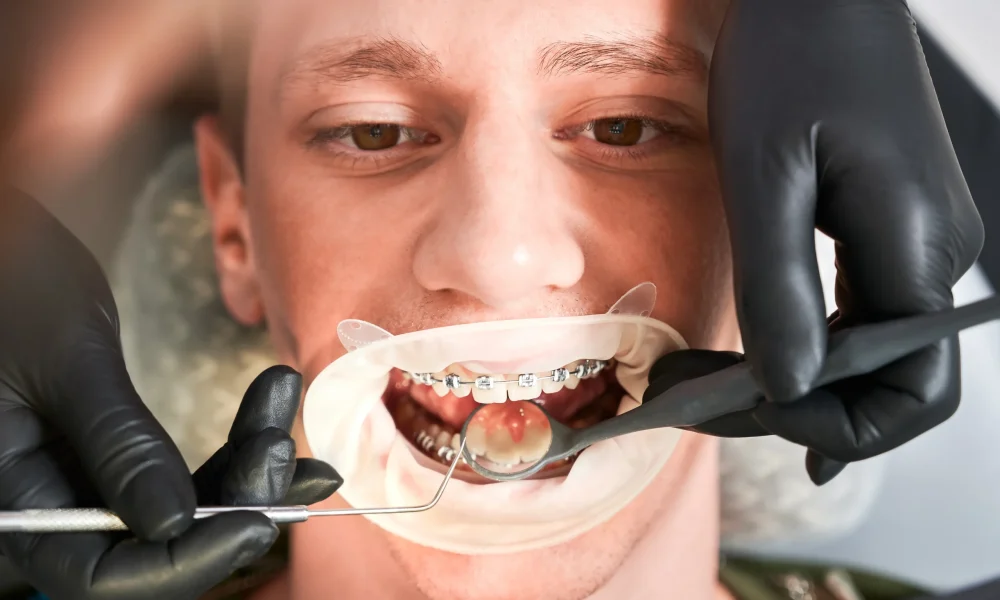
Emergency dentistry refers to the immediate treatment of dental emergencies, such as toothaches, chipped or broken teeth, lost fillings, or abscesses. These situations require prompt attention from a dentist to alleviate pain, prevent further damage, and ensure optimal oral health. The dentist in Middle Village, Queens, NY, and their expert team have expertise in handling dental emergencies with utmost patient compliance and ease.
Let us explore further about emergency dentistry and its goals.
What are the types of dental emergencies?
Here are some common types of dental emergencies:
Toothaches
– Sudden, severe pain in a tooth or surrounding gum
– Pain when eating or drinking hot or cold foods and beverages
Chipped or broken teeth
– Fractured teeth due to trauma or decay
– Teeth that are partially or completely broken
Lost fillings
– Dislodged fillings, exposing the tooth to bacteria
– Lost crowns or caps
Abscesses
– Infected pockets of pus in the gum or bone
– Swelling, redness, and pain in the affected area
Bleeding gums
– Excessive bleeding due to trauma, infection, or gum disease
– Bleeding that doesn’t stop after 10-15 minutes of pressure
Knocked-out teeth
– Avulsed teeth due to trauma or injury
– Teeth that are partially or completely dislodged
Cracked teeth
– Fractured teeth due to biting or chewing forces
– Teeth that are sensitive to temperature changes
Dental work damage
– Damage to existing dental work, such as crowns or bridges
– Loose or broken dentures
Wisdom tooth emergencies
– Impacted wisdom teeth causing pain or infection
– Wisdom teeth that are partially or completely erupted
Soft tissue injuries
– Lacerations or cuts to the lips, tongue, or cheeks
– Injuries to the gums or other soft tissues in the mouth
Orthodontic emergencies
– Broken brackets or wires
– Loose or detached orthodontic appliances
Dental trauma
– Teeth that are loosened or displaced due to trauma
– Fractured jaws or facial bones
What is the importance of emergency dentistry?
Emergency dentistry is crucial for several reasons:
Pain relief: Emergency dentistry provides immediate pain relief, reducing discomfort and distress.
Prevention of further damage: Prompt treatment prevents further damage to teeth, gums, and surrounding tissues.
Infection control: Emergency dentistry helps control and eliminate infections, preventing their spread to other parts of the face and skull.
Preservation of teeth: Emergency dentistry aims to save natural teeth whenever possible, maintaining oral function and aesthetics.
Boosts confidence: Emergency dentistry helps restore oral function and appearance, enhancing self-confidence and overall well-being.
Reduces risk of complications: Delaying treatment can lead to more severe complications, such as abscesses, cellulitis, or even life-threatening infections.
Saves time and money: Prompt treatment can prevent more extensive and costly procedures in the long run.
Maintains oral health: Emergency dentistry ensures that oral health is maintained, preventing further issues and promoting overall well-being.
Provides peace of mind: Knowing that emergency dental care is available provides peace of mind and reassurance.
Supports overall health: Emergency dentistry is linked to overall health, as oral infections can impact systemic health.
What to expect during an emergency dental visit?
Here is what you can expect when you visit your dentist in an emergency:
Initial assessment: The dentist evaluates the situation and determines the best course of action.
Pain management: The dentist administers local anesthesia or other pain-relieving measures.
Treatment: The dentist performs the necessary procedure, such as a filling, extraction, or abscess drainage.
Follow-up care: The dentist provides instructions for post-treatment care and schedules follow-up appointments.
Takeaway
Emergency dentistry plays a vital role in addressing unexpected dental situations, alleviating pain, and preserving oral health. By understanding the types of dental emergencies, the importance of prompt treatment, and what to expect during an emergency visit, individuals can take proactive steps toward maintaining optimal oral well-being. Remember, prevention is key, and regular dental care can help avoid many emergency situations.
