


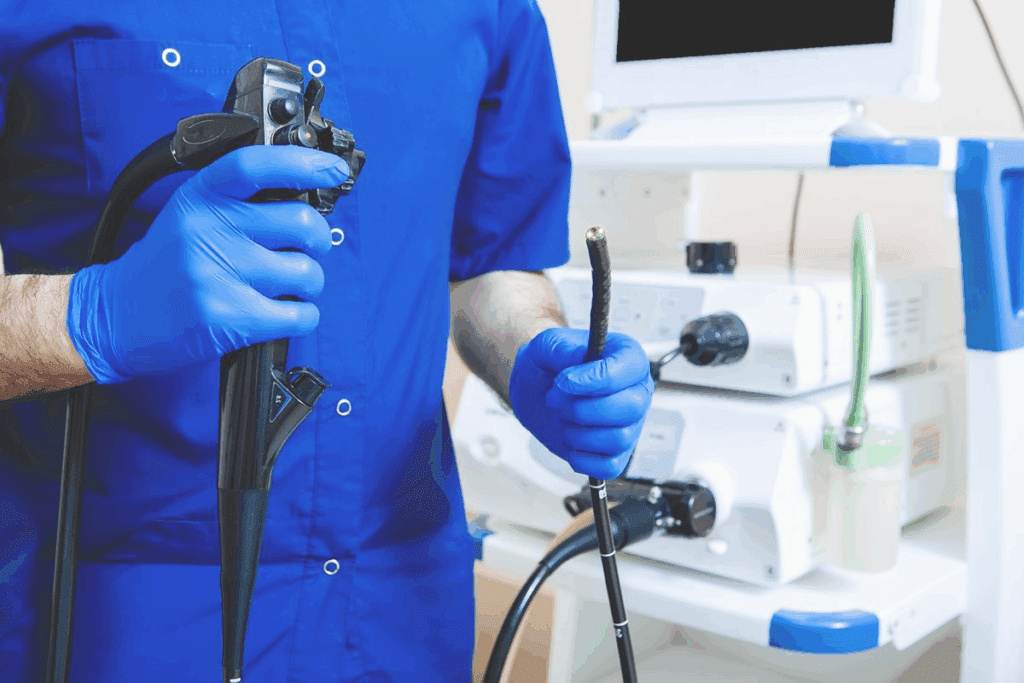
Preparing for a bowel examination can feel like the most challenging part of the entire process. While the procedure itself is usually quick and well tolerated, effective bowel preparation is essential for accurate results. Choosing the right prep solution can make the experience more manageable and increase the likelihood of a successful examination.
Why Proper Bowel Preparation Matters
A clean colon allows doctors to clearly see the lining of the bowel and identify abnormalities such as polyps or inflammation. Inadequate preparation can obscure visibility, leading to missed findings or the need to repeat the procedure.
Good preparation improves diagnostic accuracy and reduces procedure time. It also minimizes the chances of having to reschedule the colonoscopy procedure, which can be inconvenient and stressful for patients.
Types of Colonoscopy Prep Solutions
There are several bowel prep solutions available, each designed to thoroughly cleanse the intestines. These solutions differ in volume, taste, and how they are taken.
Some preparations require drinking a large volume of liquid over several hours, while others are lower-volume options combined with additional clear fluids. The effectiveness of each solution is generally similar when taken correctly, but patient comfort and tolerance can vary.
High-Volume Polyethylene Glycol Solutions
High-volume polyethylene glycol (PEG) solutions have been used for many years and are considered highly effective. They work by flushing the bowel without significantly altering fluid or electrolyte balance.
However, the need to drink a large amount of liquid can be difficult for some people. The taste and fullness may cause nausea, making it challenging to complete the entire preparation as instructed.
Low-Volume and Split-Dose Options
Low-volume preparations have become increasingly popular due to improved tolerability. These solutions require less liquid and are often paired with clear fluids such as water or broth.
Split-dose regimens, where the solution is taken in two separate sessions, are now widely recommended. This approach improves bowel cleanliness and is often better tolerated, especially for morning procedures.
Tablet-Based Preparations
Tablet-based bowel preparations are an alternative for individuals who struggle with drinking liquid solutions. These involve taking a series of pills with plenty of water over a set period.
While tablets may seem more convenient, they are not suitable for everyone. Adequate hydration is still essential, and some patients may experience side effects such as bloating or discomfort.
Factors That Influence the Best Choice
There is no single “best” prep solution for colonoscopy tests for everyone. The ideal option depends on individual health factors, previous experiences, and personal preferences.
Patients with kidney disease, heart conditions, or electrolyte imbalances may require specific types of preparation. Age, mobility, and sensitivity to taste or volume also play a role in determining which option is most suitable.
Diet and Timing Play a Key Role
Regardless of the solution used, following dietary instructions is just as important. Most preparations require a clear-liquid diet the day before, avoiding solid foods that can interfere with cleansing.
Timing is also critical. Taking the prep exactly as instructed ensures optimal results and reduces discomfort. Skipping doses or altering the schedule can compromise effectiveness.
Common Side Effects and How to Manage Them
Temporary side effects such as bloating, cramping, nausea, or fatigue are common during bowel preparation. These symptoms usually resolve once the preparation is complete.
Staying near a bathroom, drinking fluids slowly, and using soothing wipes or barrier creams can help make the experience more comfortable. If severe symptoms occur, medical advice should be sought.
Talking to Your Doctor About Options
Open communication with your doctor helps ensure the most appropriate prep is chosen. Sharing concerns about taste, volume, or previous difficulties can guide recommendations.
Doctors may adjust the type of solution or schedule based on your needs, helping improve comfort without compromising effectiveness. Personalized preparation often leads to better outcomes.
Conclusion
Choosing the right bowel prep solution can significantly influence your overall experience and the quality of the examination. While all approved options are designed to be effective, comfort and compliance matter just as much as cleansing power.
By understanding the differences between available solutions and following instructions carefully, patients can approach their colonoscopy with greater confidence and less anxiety. Proper preparation is a key step toward accurate results and better digestive health.
