


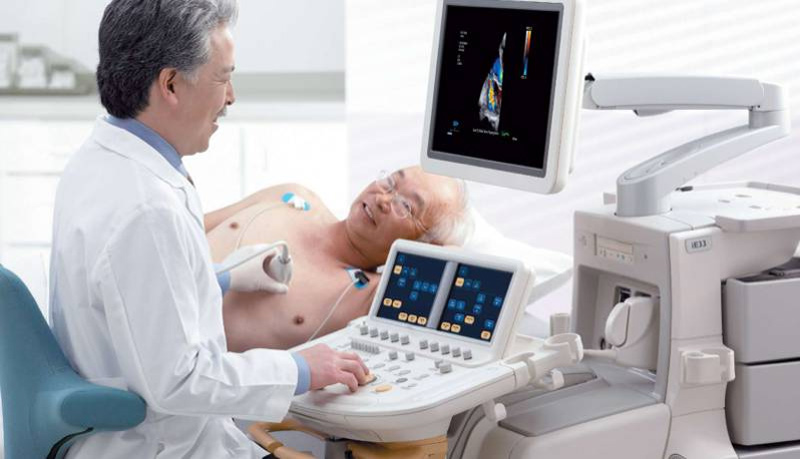
An echocardiogram, or echo, is a heart ultrasound. Your doctors may use an echocardiogram Upper East Side to assess your heart’s size, composition, and pumping capacity. Your doctor may decide to schedule an echocardiogram to determine whether symptoms you are experiencing, such as chest discomfort or shortness of breath, might be linked to your heart. In other instances, your doctor may recommend it as a preventative measure or follow-up procedure for a different ailment, like cancer.
Here are a few of the most typical reasons for echocardiography:
- You have had a heart attack.
Heart attacks are typically brought on by coronary artery disease or a blood clot that prevents blood flow to the heart and causes a portion of the heart muscle to die. This may affect the performance of your heart muscle. After a heart attack, your heart might not be able to pump blood efficiently. An echocardiogram may show how well your heart pumps blood after a heart attack.
- You have a heart murmur.
A heart murmur is an odd sound that a doctor detects when your heart beats. Doctors frequently find these during a standard checkup. Heart murmurs can often be silent. Heart murmurs can result from easily treatable medical diseases like anemia. However, certain murmurs are symptoms of more severe issues, such as a heart defect, cardiac damage from high blood pressure, or injury. Your doctor can determine the cause of your heart murmur by using an echocardiogram.
- You are experiencing chest pains.
Chest pain can result from many different reasons. Due to coronary artery disease, you could be having chest pain because your heart muscle is not receiving enough blood. Chest pain can also be caused by conditions other than the heart muscle, such as lung infections, damaged arteries, indigestion, and panic attacks. An echocardiogram can examine your heart function and blood flow to rule out heart-related causes of chest discomfort, such as a heart attack.
- You have heart valve disease.
Heart valves aid in maintaining the heart’s blood flow. Blood can back up in numerous areas of your heart if you have valve problems. Because of this, your heart must work harder to pump blood, which may harm the heart muscle over time. The effects of mild heart valve dysfunction might not be noticeable. However, your doctor might recommend routine echocardiograms if you have moderate to severe heart valve disease to monitor your condition and how it impacts your heart.
- You have a high risk of stroke, or you have had a stroke.
A stroke develops when a blood clot in an artery or a ruptured blood vessel prevents blood from reaching the brain. One of the leading causes of strokes is a cardioembolism, a blood clot that develops in the heart. A blood clot in your heart is more likely to develop if you have certain cardiac diseases. If you have had a stroke, heart attack, heart valve problems, an irregular heartbeat, or any form of heart illness, your doctor may suggest an echocardiogram to find and treat any blood clots in the heart before they cause a stroke.
Suppose you have had a stroke, a heart valve disease, a heart murmur, or chemotherapy. In that case, you may need an echocardiogram to assess if you have heart problems to avoid further complications. Call Upper East Side Cardiology to book an appointment for an echocardiogram.
