


Key Takeaways
Plasma plays a crucial role in numerous medical treatments, aiding patients suffering from hemophilia, immune deficiencies, and severe burns. Its life-saving significance in contemporary medicine is undeniable.
Remarkably, about 70% of individuals in the U.S. will require plasma-derived therapies at some point in their lives. This statistic underscores the urgent call for plasma donors, as a 20% increase in demand is anticipated over the next decade.
The average plasma donation process in Salt Lake City runs for roughly two hours. This timeframe encompasses registration, health screening, the actual donation, and time for recovery.
To prepare, first-time donors should focus on hydration, enjoy a protein-packed meal, and steer clear of caffeine and alcohol to facilitate a smoother donation experience.
Regular plasma donation also carries health benefits for the donor, such as potentially lowering blood pressure and enhancing cardiovascular health. On top of that, there’s often a sense of accomplishment and community connection that accompanies giving.
Selecting an accredited and hygienic plasma donation center staffed by knowledgeable personnel can greatly improve the overall experience, putting donor safety and comfort at the forefront.
ABO Plasma in West Valley City stands out as a fantastic donation center, featuring a welcoming atmosphere and cutting-edge technology that results in high satisfaction rates among donors and a positive impact on the community.
Why Plasma Donation Is Critical: The Lifesaving Impact Explained
The Role of Plasma in Medical Treatments
In the realm of modern medicine, plasma is indispensable. This liquid component of blood transports vital water, nutrients, hormones, and proteins throughout the body. It’s not merely a player in the background; it serves as a life-saver for many. Conditions like hemophilia, immune deficiencies, and serious burns often necessitate plasma-derived therapies. Patients rely on these therapies for survival, and the continuous influx of plasma from donors is essential in meeting this critical need.
Professionals make it clear: each donation has the potential to assist multiple patients, adding priceless value to every contribution. Plasma serves as a lifeline for countless individuals, emphasizing its immeasurable importance. A plasma donor isn’t just sharing a part of themselves; they’re offering hope to those who are desperately in need.
Statistics That Highlight the Need for Donors
The demand for plasma is growing steadily. Research indicates that approximately 70% of patients in the U.S. will require plasma-derived therapies at some future point. This eye-opening statistic reinforces the urgent need for more plasma donors. A recent analysis showed that plasma requirements might rise by 20% over the coming decade. Unfortunately, the number of willing donors hasn’t kept up with this increasing demand, creating pressure in the supply chain.
The need for plasma donors is becoming critical, with 1 in 7 patients requiring plasma-derived therapies.
In Salt Lake City, plasma donation centers are working hard to keep pace with this rising demand. Yet, many still struggle to fulfill the needs of local healthcare systems. Each donation counts. The community plays an integral role in addressing this pressing issue.
Plasma Donation Process: What to Expect in Salt Lake City
A Step-by-Step Guide to Donating Plasma
Understanding what to expect during the plasma donation process can help ease the worries of potential donors. The procedure is pretty straightforward and quick, averaging around two hours from start to finish. Here’s a step-by-step breakdown:
- Registration: Upon arrival, donors must complete paperwork, including medical history and identification.
- Health Screening: A brief medical examination assesses vital signs, such as blood pressure and hemoglobin levels, to ensure donor safety.
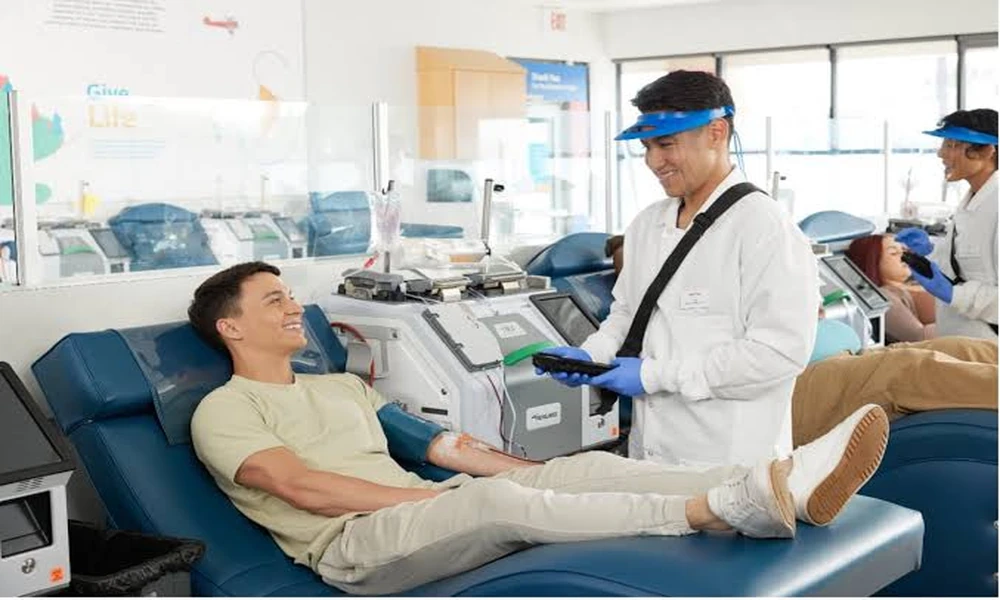
- Donation: The plasma donation takes about 45 minutes. Blood gets drawn from the arm, goes through a machine that separates plasma, and then the remainder of the blood is returned to the donor.
- Recovery: After donating, there’s a brief recovery period where donors can enjoy refreshments and regain their strength.
Ultimately, the entire process aims to be efficient and friendly toward donors. Plasma donation centers in Salt Lake City strive to make this experience as pleasant as possible.
Preparing for Your Visit: Tips for First-Time Donors
For those contemplating their first donation, preparation is key to a seamless experience. Here are a few tips to ensure everything goes smoothly:
- Stay Hydrated: Drink ample water the day prior and the day of the appointment. Good hydration enhances plasma volume.
- Eat Well: Have a nutritious meal, rich in protein, iron, and essential nutrients before the donation. Eggs, lean meats, and leafy greens are excellent choices.
- Avoid Caffeine and Alcohol: These can lead to dehydration, impacting the donation process.
Preparing in advance can greatly improve the experience, helping first-time donors feel more comfortable.
Benefits of Donating Plasma: More Than Just a Good Deed
Personal Health Perks: What Donors Gain
Donating plasma offers advantages that extend beyond the act of saving lives. Many donors experience a gratifying sense of accomplishment, acknowledging their meaningful contribution. Beyond that, there are health perks involved as well. Regular donors may find tracking their health metrics, such as blood pressure and cholesterol levels, becomes easier.
Interestingly, some research suggests that consistent donors might even experience reduced blood pressure and improved cardiovascular health. That’s certainly a win-win situation. Moreover, many donation centers offer compensation for the time spent donating, providing an added incentive for individuals to become part of the donor community.
Community Impact: How Your Plasma Helps Local Patients
Plasma donation isn’t merely about individual benefits; it’s fundamentally about fostering community well-being. salt lake city plasma donation creates a supportive local network that aids hospitals and clinics within the region. Each donation genuinely impacts patients grappling with emergencies and ongoing health issues.
Every plasma donation supports local healthcare, providing hope and healing to those in need.
Once collected, plasma is often processed locally, earmarked for treatments at nearby healthcare providers. This means each donation directly influences the health outcomes of friends, family, and even complete strangers within the community. How powerful is that?
Finding the Right Plasma Donation Center in Salt Lake City
Key Features to Look for in a Donation Facility
Selecting the right plasma donation center can greatly enhance the overall experience for community members. Several essential features should be considered:
- Accreditation: Verify that the facility is accredited and adheres to all safety and quality regulatory standards.
- Cleanliness: A clean, well-kept environment conveys the center’s commitment to donor safety and care.
- Staff Qualifications: Look for facilities staffed with trained and compassionate personnel who prioritize the donor experience.
These features can profoundly affect comfort, safety, and the overall quality of care during the donation process. Taking the time to identify the right center can lead to a significantly more positive donation experience.
What Sets ABO Plasma Apart in Patient Care
ABO Plasma, situated in West Valley City, exemplifies many qualities that constitute an exceptional donation center. Their commitment to patient care is evident in each interaction. Donors are greeted by knowledgeable staff dedicated to their best interests. Many donors highlight the comfortable ambiance – an important factor when considering plasma donations.
The center incorporates advanced technology, ensuring efficient processing while maintaining donor safety throughout the experience. This dedication to quality has resulted in high donor satisfaction levels and forged strong community bonds. Consistency in care and quality entices donors to return, knowing they’re truly making a difference.
In the plasma donation sphere, the right facility can alter not only the donation experience but also countless patients’ lives. The decision is straightforward – choose a center that prioritizes care, quality, and community impact.
FAQ
How often can someone safely donate plasma?
Experts suggest that individuals can safely donate plasma every 28 days. This interval allows the body adequate time to replenish its plasma levels, ensuring the health of donors while providing life-saving plasma for those in need.
What compensation is typically provided for plasma donation?
Compensation varies by center but typically ranges from $30 to $50 per donation. Many donors appreciate this recognition of their time and commitment as they help save lives.
Are there any specific health requirements to donate plasma?
Yes, donors generally need to be at least 18 years old, with a minimum weight of 110 pounds, and successfully pass health screenings performed at the donation center. Certain medical conditions or recent travel might temporarily disqualify individuals.
What is the difference between donating plasma and donating whole blood?
Donating plasma collects only the liquid component of blood, while whole blood donation encompasses red cells, white cells, and platelets. Plasma donations can often be made more frequently since the body replenishes plasma faster than it does whole blood.
Is there an age limit for plasma donors?
In general, individuals need to be at least 18 years old to donate plasma. Some centers may permit donations from 16- or 17-year-olds with parental consent, but policies can differ by location. Checking specific requirements at the chosen donation facility is advisable.
Can lifestyle factors affect plasma donation eligibility?
Absolutely. Lifestyle choices such as caffeine and alcohol consumption can influence dehydration levels, potentially complicating the donation process. Donors should concentrate on proper hydration and a healthy diet leading up to their donation for optimal results.
What are the typical health screenings done before plasma donation?
Health screenings commonly include checks for vital signs, like blood pressure and hemoglobin levels, as well as a review of medical history. These measures ensure donor safety while determining eligibility before proceeding with the donation.
How does plasma donation contribute to local healthcare systems?
Plasma donations significantly empower local healthcare capabilities by supplying essential treatments to patients in nearby hospitals and clinics. Each donation gathered directly uplifts the medical community, addressing urgent health needs while enhancing patient care in the vicinity.
