


Key Takeaways
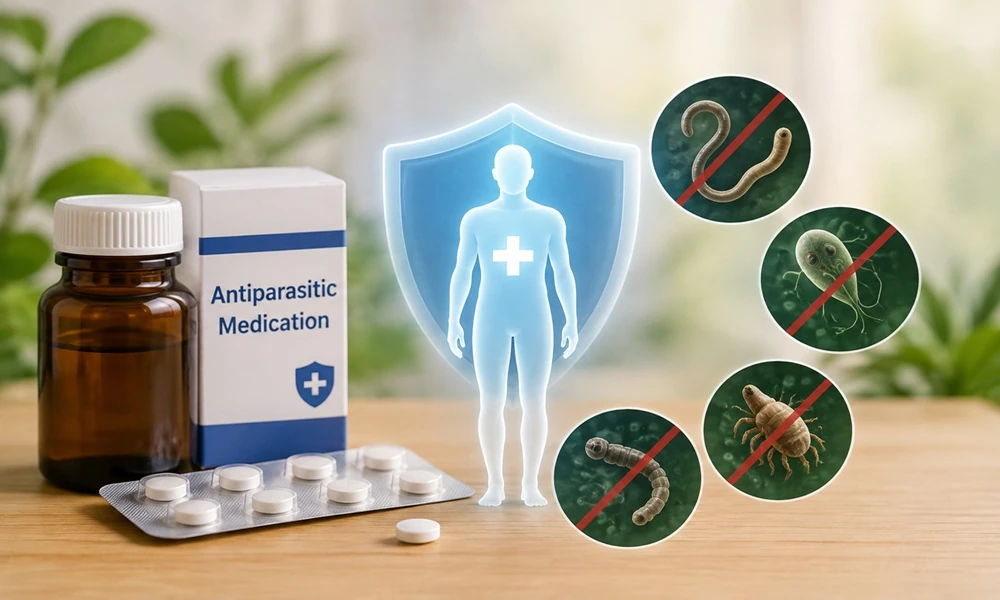
Antiparasitic medications work through a range of mechanisms that disrupt metabolism and cellular functions, effectively interrupting the lifecycles of specific parasites.
Drugs such as metronidazole and praziquantel are known for treating giardiasis and schistosomiasis, respectively. Their success often hinges on the use of precise diagnostic tools.
Especially in environments with poor hygiene, antiparasitic treatments are indispensable. They can drastically lower morbidity and mortality rates associated with diseases like malaria when administered promptly.
Prominent parasites targeted by these medications include Plasmodium spp. (malaria), Giardia lamblia (causing gastrointestinal distress), and Schistosoma spp. (resulting in schistosomiasis), among others.
Patients typically experience swift symptom relief and improved health outcomes once they begin antiparasitic treatment, with ongoing monitoring being vital to the recovery process.
For optimized treatment results, adhering to prescribed dosages and understanding potential medication interactions is critical.
Implementing lifestyle changes like enhancing hygiene practices and maintaining a balanced diet can further bolster the effectiveness of antiparasitic medications and contribute to long-term wellness.
Decoding the Mechanisms of Antiparasitic Medications
How Do These Powerful Drugs Work in the Body?
Antiparasitic medications function through various tailored mechanisms, each designed to target the specific lifecycle of the parasites they combat. It’s easy to think all antiparasitic drugs work similarly, but this couldn’t be further from the truth. Different classes of these drugs uniquely disrupt the parasites, be it through metabolic inhibition, interference with cellular functions, or halting reproductive cycles. For example, some medications compromise mitochondrial function, while others obstruct nucleic acid synthesis. This dual action not only arrests parasite growth but ultimately leads to their death.
Infections caused by parasites present intricate challenges to the immune system. These organisms often employ a host of evasion strategies to remain undetected and undestroyed inside the human host. Experts note that effective antiparasitic medications can amplify immune responses, making survival tougher for the parasites. But what fuels this complex interaction?
Each type of antiparasitic medication engages with different aspects of the body’s defenses. For instance, benzimidazoles zero in on the parasite’s microtubules, which are crucial for cell division. In contrast, ivermectin connects to specific channels in the nervous system of the parasite, ultimately causing paralysis. Understanding these mechanisms can greatly influence treatment decisions. The right medication can facilitate quicker recoveries and improve long-term health outcomes.
The Role of Antiparasitics in Combating Specific Infections
When analyzing disease management, context is key. Some antiparasitic medications are particularly well-suited for specific infections. Take metronidazole, for instance; it’s particularly effective against giardiasis and amoebic dysentery. Research indicates its efficacy arises from its capability to generate free radicals that damage pathogen DNA. Then there’s praziquantel, an essential option for managing schistosomiasis.
The effectiveness of these treatments frequently benefits from advancements in diagnostic techniques. Correctly identifying the parasite in question empowers clinicians to customize their treatment strategies. Present-day diagnostic tools allow for quicker and more accurate identifications, ensuring patients receive the most appropriate antiparasitic medication based on their specific conditions. The clear takeaway? Knowledge proves to be power, both for healthcare providers and their patients.
Real-World Applications: Antiparasitic Treatments Explained
Situations Where Antiparasitic Drugs Shine
In clinical environments, antiparasitic drugs stand out as primary defenders against numerous diseases. Their role becomes particularly critical in areas where hygiene may be at risk. Picture settings with overcrowded living situations or insufficient access to clean water; these are precisely where parasitic threats flourish. For example, quick and effective administration of antimalarial medications is pivotal in the treatment of malaria, which can significantly cut down on morbidity and mortality rates.
Here are a few specific scenarios illustrating the strengths of antiparasitic treatments:
- Travel-Related Infections: Travelers may encounter parasitic diseases that aren’t common in their home nations.
- Outbreak Management: Rapid deployment of these medications can manage and mitigate disease outbreaks effectively.
- Immunocompromised Patients: Individuals with weakened immune systems are especially susceptible and benefit greatly from targeted therapy.
Healthcare providers have observed significant changes thanks to effective antiparasitic medications. The improved management of diseases such as river blindness underscores the positive influence these treatments can have. Here, success is not only gauged in individual patient recoveries but also reflected in the broader public health metrics that indicate enhanced community well-being.
Common Parasites Targeted by These Medications
A comprehensive understanding of parasitic infections starts with identifying the major players. Some common parasites contributing to global health issues include:
- Plasmodium spp. – Known for causing malaria, transmitted by Anopheles mosquitoes.
- Giardia lamblia – A prominent cause of gastrointestinal distress on a global scale.
- Toxoplasma gondii – Typically found in undercooked meats or cat feces, posing unique risks to pregnant individuals.
- Entamoeba histolytica – The agent responsible for amoebic dysentery.
- Schistosoma spp. – The cause of schistosomiasis, particularly prevalent in tropical regions.
It’s fascinating to note the co-occurrence of these parasites, which can lead to more complicated clinical presentations. A patient dealing with both malaria and gastrointestinal distress, for instance, necessitates meticulous medication selection and dosing. As understanding of these infections increases, so too does the capacity to tackle them effectively.
Managing Expectation: What Users Experience with Antiparasitics
Typical Outcomes After Treatment Completion
Patients undergoing antiparasitic treatment may observe a range of outcomes, influenced by factors such as the infection type, timing of intervention, and individual health conditions. Many will experience substantial symptom relief shortly after starting therapy, as numerous medications act quickly against the parasites involved.
Successful treatment outcomes generally yield the following:
- Rapid Symptom Relief: Decreased fever, pain, and gastrointestinal disturbances.
- Improved Lab Results: Follow-up tests indicating a reduction in parasite load or complete clearance.
- Enhanced Quality of Life: Resuming daily activities without the burden of discomfort or health issues.
It’s important to emphasize that follow-up care plays a crucial role in shaping these outcomes. Regular monitoring not only ensures treatment effectiveness but also helps educate patients on prevention and lifestyle practices to maintain health.
Monitoring and Follow-Up: Best Practices for Patients
Post-treatment monitoring can significantly affect long-term health outcomes. Routine follow-ups provide healthcare providers a chance to evaluate the efficacy of the treatment and modify strategies if needed. Ideally, patients should arrange check-ups at specific intervals tailored to the infection they’ve been treated for.
Effective monitoring best practices encompass:
- Regular Health Assessments: Complications can manifest well after treatment is completed.
- Lab Testing: Follow-up tests help confirm that the parasite has been fully cleared from the body.
- Symptom Tracking: Keeping a log of symptoms assists healthcare providers in assessing post-treatment health.
In the end, monitoring is far from being merely a formality. It bridges the gap between treatment completion and full recovery, ensuring patients remain informed and healthy.
Expert Insights: Enhancing the Effectiveness of Antiparasitic Use
Tips for Optimizing Treatment Success Rates
The success of antiparasitic medications largely depends on their correct administration. Both patients and providers can gain from a handful of strategies designed to enhance treatment outcomes. Consistency is vital; missing doses might lead to treatment failure, possibly necessitating more aggressive interventions.
Consider the following tips for improving success rates:
- Stay Adherent: Carefully adhere to the prescribed dosage and schedule.
- Educate Yourself: Understanding the prescribed medications and their potential interactions empowers better decision-making.
- Report Side Effects: Not all medications are suitable for every individual. Early reporting of issues allows for quicker adjustments.
Antiparasitic medication serves as a critical tool, but patient engagement is the heartbeat of effective treatment. The more actively involved a patient is, the more favorable the outcomes tend to be.
Integrating Lifestyle Changes to Support Medication Efficiency
While antiparasitic medications are essential in fighting infections, certain lifestyle adjustments can further amplify their effectiveness. Aspects like nutrition, hygiene, and preventive measures play a significant role in ensuring recovery and reducing risks of future health issues. For instance, a diet rich in antioxidants may help fortify the immune system during and after treatment.
Key lifestyle modifications to consider include:
- Improved Hygiene Practices: Regular handwashing can help prevent reinfection.
- Balanced Diet: Consuming nutrient-dense foods can bolster the body’s strength to recover.
- Regular Physical Activity: Exercising supports overall well-being and balance in health.
Integrating these changes focuses not just on immediate effects; it’s about building resilience against future infections and adopting a proactive health strategy.
Healthcare professionals assert that combining medication with lifestyle adjustments creates the most favorable outcomes for patients.
Grasping how antiparasitic medications work, their practical applications, and the significance of monitoring can profoundly elevate treatment experiences. The path to wellness is often most effective when patients and healthcare providers partner, sharing knowledge, awareness, and proactive strategies.
FAQ
What factors can impact the effectiveness of antiparasitic treatments?
A multitude of factors can shape treatment success. Key elements include the type of parasite, timing in initiating medication, individual patient health considerations, and adherence to prescribed regimens. Recognizing these aspects aids in optimizing outcomes.
Can lifestyle changes reduce the likelihood of reinfection after treatment?
Definitely. Embracing strong hygiene practices, maintaining a nutritious diet, and engaging in regular physical exercise can greatly diminish the chances of reinfection. Experts recommend that these lifestyle shifts foster a healthier environment for long-term well-being.
How long does it typically take to see improvements after starting antiparasitic medication?
Generally, most patients may anticipate noticeable symptom relief within a few days of starting treatment. The rapid action of many antiparasitic drugs often results in speedy recoveries, dependent on the specific infection being addressed.
Are there any common side effects associated with antiparasitic medications?
Side effects vary between different medications, but some common ones include gastrointestinal disturbances, headaches, and fatigue. It’s essential for patients to notify healthcare providers about any significant or persistent symptoms for further assessment.
What monitoring should take place after completing antiparasitic treatment?
Post-treatment monitoring usually involves regular health evaluations, lab tests confirming parasite clearance, and symptom tracking. These practices are critical for ensuring ongoing health and catching any potential complications early on.
How are antiparasitic medications prescribed during outbreaks or epidemics?
In the face of outbreaks, healthcare professionals often rapidly deploy antiparasitic medications to those affected. Quick identification of the parasite, alongside swift treatment initiation, is vital to controlling and minimizing the spread of infection.
What measures can patients take to engage actively in their treatment?
Patients are urged to adhere strictly to prescribed dosages, educate themselves about their medications, and maintain open lines of communication with healthcare providers regarding any concerns or side effects. Active participation is crucial for treatment success.
Are there any notable advancements in antiparasitic medications on the horizon?
The field is evolving, with ongoing research aimed at crafting more targeted and efficient antiparasitic drugs. Future innovations might encompass new formulations designed to enhance drug delivery or improve efficacy against resistant parasite strains.
Useful Resources
- Centers for Disease Control and Prevention (CDC) – Comprehensive information surrounding parasitic diseases and their treatments.
- World Health Organization (WHO) – Guidelines and global health resources, including insights on antiparasitic medications and disease control.
- National Institute of Allergy and Infectious Diseases (NIAID) – Research and resources on infectious diseases, covering parasitic infections.
- Malaria Consortium – Information regarding malaria control, treatments, and prevention strategies.
- Antimicrobial Stewardship Programs – Guidelines ensuring responsible use of antiparasitic medications.
- CABI – Centre for Agriculture and Bioscience International – Insights on managing parasitic diseases across various contexts.
- National Center for Biotechnology Information (NCBI) – Research articles and studies related to antiparasitic medications and their efficacy.
- Medscape – Continuing education resources for healthcare professionals discussing parasitic infections and their treatments.
