


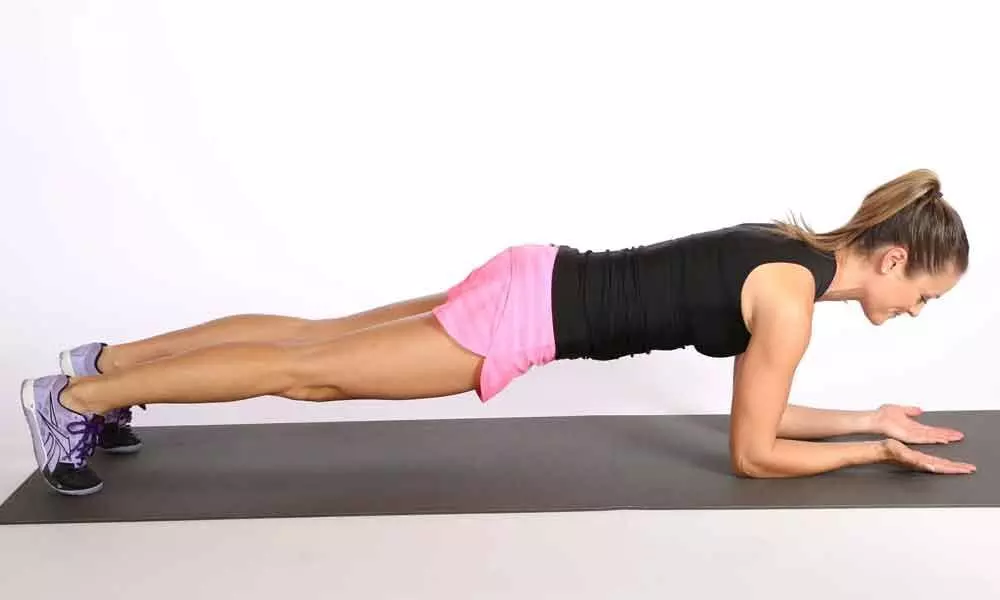
Plank exercises are a simple yet highly effective way to build strength, improve stability, and engage multiple muscle groups simultaneously. By holding your body in a straight, aligned position, planks target several key muscles, promoting full-body fitness. The muscles that planks work on include the core, back, hip flexors, shoulder stabilizers, and quadriceps. Planks require no equipment and can be easily modified for all fitness levels, making them a versatile addition to any workout routine. Whether you are looking to enhance your posture, boost strength, or improve balance, planks are an excellent choice.
Find below five muscles that planks work in your body.
Core muscles
Planks are one of the best exercises for strengthening your core muscles. They engage the abs, obliques, and deep stabilizing muscles around your torso. A strong core is essential for balance, posture, and overall stability. Regularly performing planks helps reduce the risk of injuries, particularly in the lower back, and improves athletic performance in activities like running or lifting. Variations like side planks can also target the obliques, adding extra strength to your midsection and enhancing the muscles along your waistline.
Back muscles
Planks strengthen the muscles in your upper and lower back, including the trapezius, rhomboids, and erector spinae. Holding a proper plank position reduces strain on the spine while building a stable, resilient back. This can help alleviate lower back pain and improve posture, especially for individuals who spend long hours sitting. A strong back also supports other exercises, such as deadlifts or rows, and helps with daily tasks like lifting or carrying heavy objects.

Hip flexors
The hip flexors, located in the front of the pelvis, are key stabilizers during a plank. These muscles connect the thighs to the torso and assist with movements like walking, running, or bending. Strengthening the hip flexors through planks improves lower body mobility and reduces the risk of hip-related injuries. This is particularly beneficial for individuals with tight hip flexors caused by prolonged sitting, as planks help release tension and restore balance.
Shoulder stabilizers
Planks engage the deltoids and rotator cuff muscles, which stabilize the shoulders. These muscles work to maintain proper alignment and balance during the exercise, preventing strain or injury. Strengthening the shoulder stabilizers improves upper-body strength and endurance, making activities like pushing, pulling, or lifting more efficient. Consistent plank practice also helps protect the shoulders from overuse injuries, ensuring long-term joint health.
Quadriceps
The quadriceps, located in the front of the thighs, are actively engaged during planks. These muscles help support the alignment of your lower body and keep your legs straight throughout the exercise. Strong quadriceps improve leg strength, making activities like climbing stairs or running easier and safer. Additionally, well-developed quads contribute to better knee stability, reducing the risk of knee injuries over time.
The conclusion
Plank exercises are a powerful and accessible way to strengthen multiple muscle groups at once. Incorporating planks into your fitness routine can help you build a stronger, healthier body while preventing injuries and enhancing daily functionality.
